(A) Left at retirementIndicative
80%
of capacity
Industry estimates put the typical capacity still remaining at 70–80% when an EV battery is retired from the road.
Rinovara takes back retired LFP and other Li-ion batteries from EV manufacturers, screens every cell for safety, grades it by state of health (SOH), and supplies documented, traceable cells to pack and storage makers.
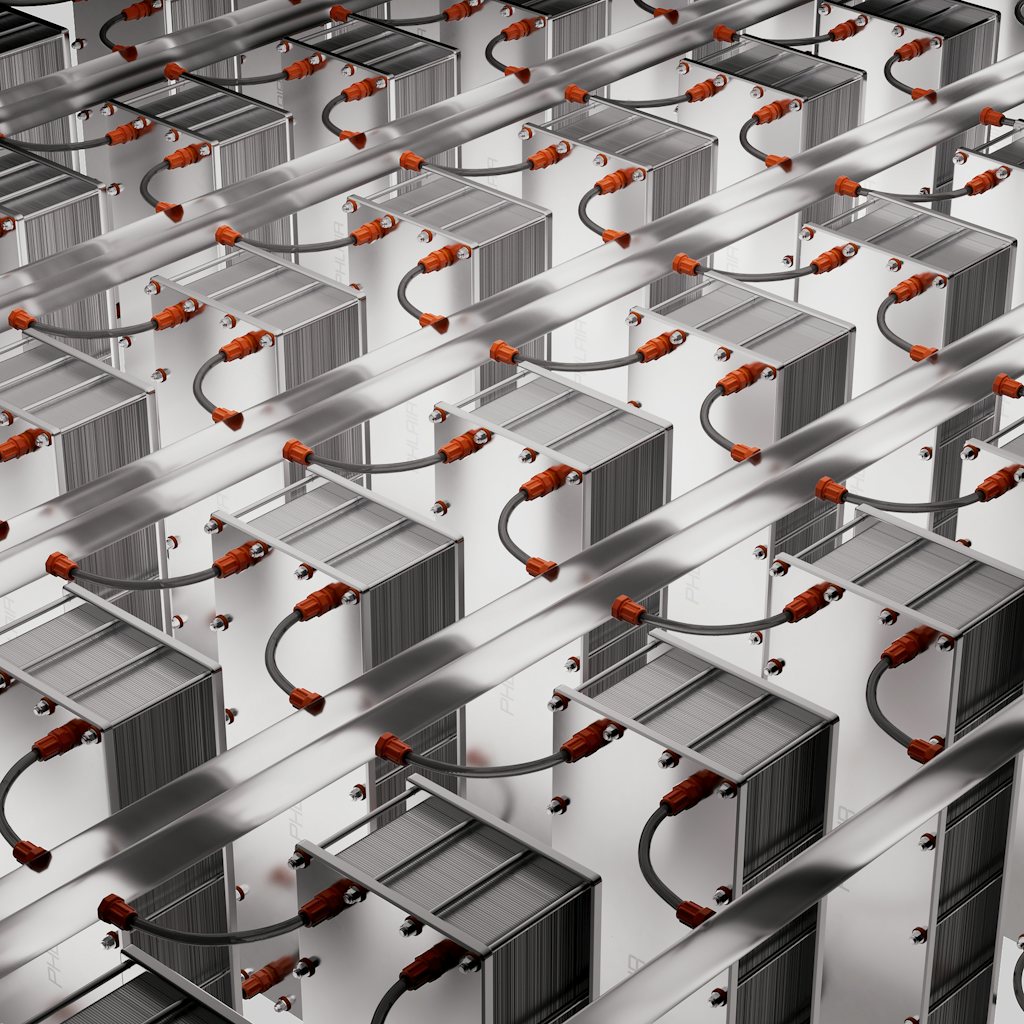
EV batteries are usually retired with 70–80% of their capacity left. With the right screening, that capacity can power stationary storage for years.
Industry estimates put the typical capacity still remaining at 70–80% when an EV battery is retired from the road.
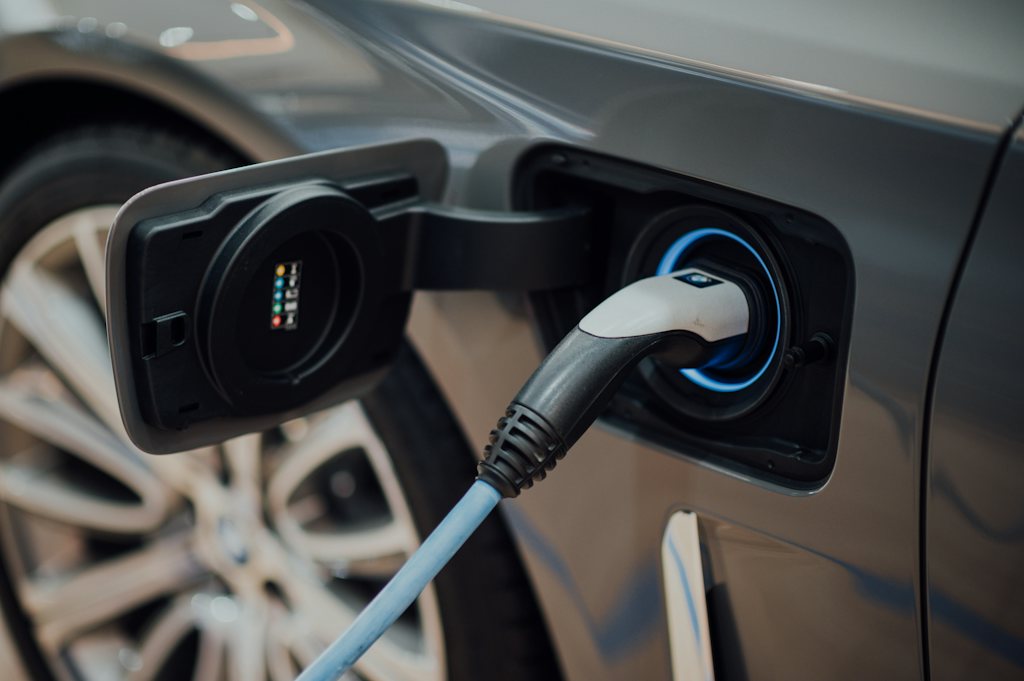
Then retired, not finished.
of further service in storage, depending on use.
Long cycle life and high thermal stability make it ideal for reuse.
Lower cost than new. Lower emissions than new.
Source: Kamath et al., ORNL (US study): 7–31% lower emissions
Sources: IDTechEx (70–80% at retirement) · TÜV Nord (second-life duration). Figures indicative.
Six steps from the road to a second life.
LFP cells power electric vehicles for years, until the pack no longer meets the demands of driving.
When a pack can no longer serve on the road, the vehicle maker returns it to us through a documented take-back.
Packs are opened safely and every cell is checked for damage, swelling, voltage, internal resistance and thermal behaviour.
Cells that pass are tested and graded by state of health (SOH) and remaining operational hours (ROH). Cells that don't are sent to registered recyclers.
Graded cells are matched into consistent batches, each with a record, and supplied to pack and storage makers.
Storage systems, backup power, solar and telecom. Years of extra service before responsible recycling.
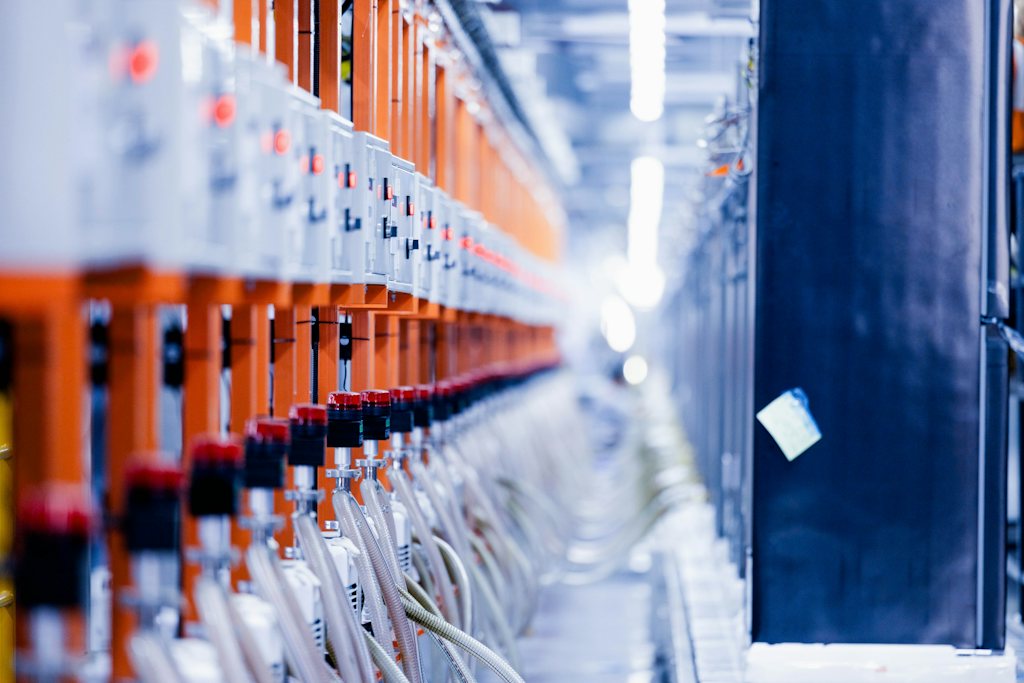
Data, not guesswork. Every cell we supply gets a fingerprint, a health grade and a passport before it goes out to integrators.
Each cell's response is captured and checked against what a healthy cell should look like. Only cells that pass move down the line.
CELL ID    RV-LFP-05532
SOURCE     RETIRED EV PACK
CHEMISTRY  LFP · 3.2 V
FORMAT     PRISMATIC
SOH        82.1 %
GRADE      B
RECORD     SCAN QR
Reuse 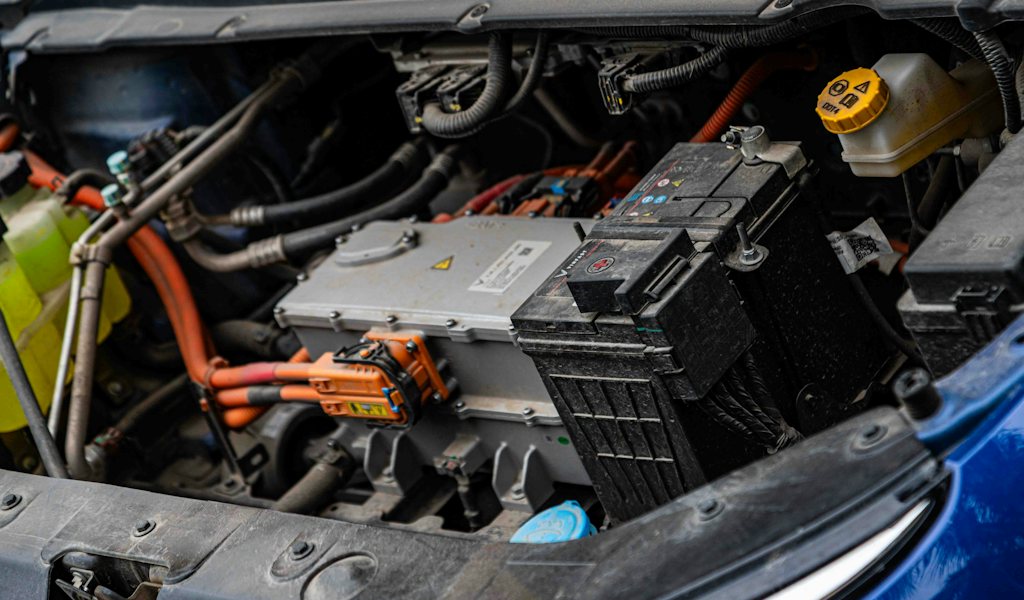
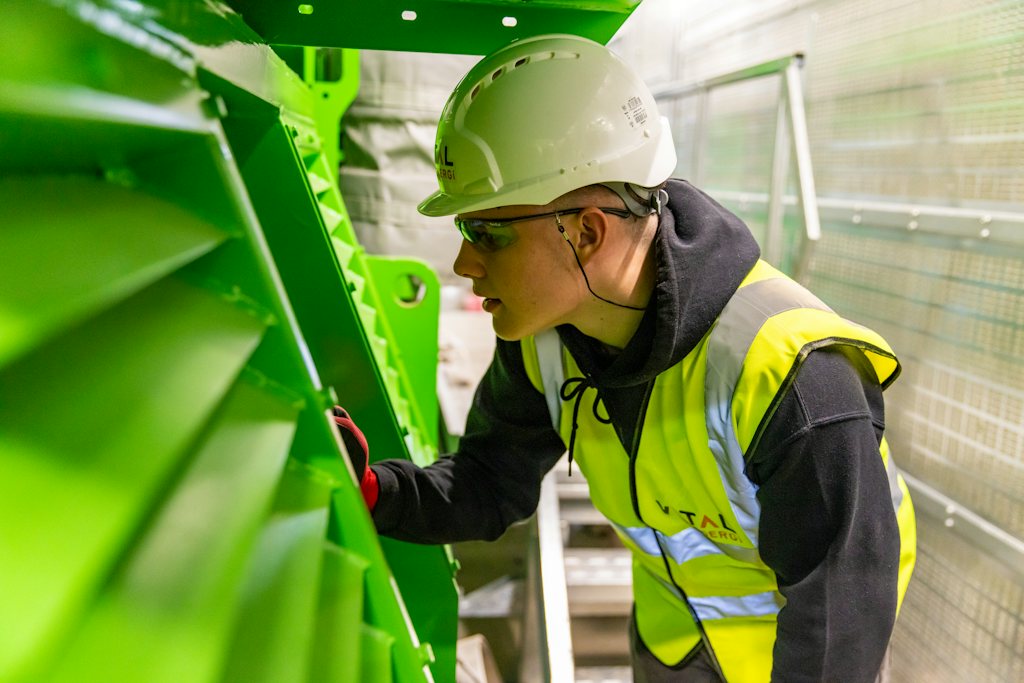
Rinovara Energies is built around a simple problem: EV batteries are retired while most of their cells still have years of useful life. These cells can be reused in low-discharge-rate applications. We take those battery packs, prove which cells are still fit for work, and pass them on with a passport.
Every grade is backed by test data. If we can't measure it, we don't claim it.
Every cell is screened for damage and abnormal behaviour before anything else happens to it.
Every cell we supply carries a record of where it came from and how it was tested and graded.
We supply cells unbranded, so they go into your packs under your name, with our records behind them.
Rinovara was founded in 2025 by two mechanical engineers from RIT Bengaluru, straight out of college.
Retired EV batteries are too often treated as scrap before anyone checks what they can still do. We're building the step that checks first: test every cell, reuse what's fit, recycle the rest, and keep a record of all of it.
Mechanical engineer (Ramaiah Institute of Technology) with hands-on experience in autonomous systems (UAVs) and applied AI, including LLM applications. Has worked across B2B and B2C environments.
LinkedInMechanical engineer (Ramaiah Institute of Technology) specialising in machine design and autonomous systems (UAV/AUV). Former intern and research assistant at the Drone Lab, Aerospace Department, IISc Bangalore.
LinkedInStandardsOur process is being developed with reference to international repurposing standards, including UL 1974 and IEC 63330-1, and to the ISO 9001 (quality), ISO 14001 (environment) and ISO 45001 (health and safety) management system standards.
Cells refurbished by Rinovara go into systems that need dependable, affordable stored energy.
For EV makers, fleets and pack makers who want to reuse or sell cells themselves. The cells stay yours. We screen and grade every one and give you the results.
Discuss a grading runA lithium iron phosphate cell that has finished its first life in an electric vehicle but still holds enough capacity for less demanding work, such as stationary energy storage. Before it is reused, it has to be screened for safety and graded by state of health.
Every cell is first screened for physical damage, swelling, voltage, internal resistance and thermal performance. Cells that pass are tested and graded by state of health (SOH) and remaining operational hours (ROH), then matched into consistent batches. Each supplied cell gets a digital record of its tests and grade.
Graded LFP and other Li-ion cells, supplied unbranded to manufacturers who can build them into their own packs and storage systems.
Yes. With grading as a service, the cells stay yours: we screen each one for safety, test and grade it by state of health (SOH) and remaining operational hours (ROH), and give you a record of every result, all while the cells remain under your ownership.
They go to EPR-registered recyclers. Nothing we reject goes back into the informal market.
Our process is being developed with reference to international repurposing standards, including UL 1974 and IEC 63330-1, and to the ISO 9001 (quality), ISO 14001 (environment) and ISO 45001 (health and safety) management system standards.
Whether you have retired packs to place or packs and storage systems to build, we'd like to hear from you.
We'll read it and reply to the email address you gave us.
Preview only: this message wasn't sent. The form isn't connected yet.